The Truth About Ice Dams: Facts and Fiction
Understanding Ice Dams: What Every Homeowner Should Know
Winter can be beautiful, but it also brings unique challenges—especially for homeowners. With the return of the Polar Vortex, ice dams have once again become a hot topic (pun intended) for anyone with a roof over their head. There’s a lot of information out there, so let’s cut through the confusion and separate fact from fiction when it comes to ice dams.
Fact: You Can See Ice Dams from the Ground (Sometimes)
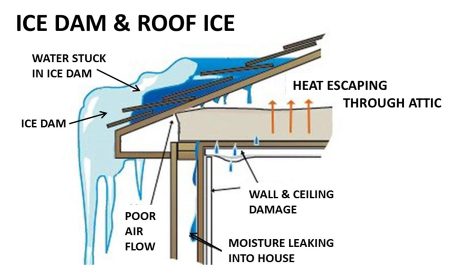
Spotting an ice dam isn’t always difficult—those massive icicles and little glaciers hanging from your gutter are hard to miss. But don’t be fooled! The trickiest ice dams like to hide above skylights, in roof pans, or grow quietly up valleys and on dormers, out of sight from the ground. A quick visual check is helpful, but it’s not always the whole story.
Fiction: When It Comes to Insulation, More Is Always Better
It’s tempting to think piling on the insulation will keep ice dams at bay. In reality, insulation done wrong can be just as bad as too little. If insulation blocks proper ventilation or if air leaks into your attic or rafter spaces aren’t sealed, you’re still at risk for ice dams—no matter how much insulation you have.
Fact: Ice Dams Can Occur Even with Little or No Snow
Thick snow makes bigger ice dams faster, but don’t underestimate the power of a light dusting. It takes very little moisture for ice dams to form. Even a seemingly harmless layer of snow can spell trouble—keep an eye out regardless of the forecast.
Fiction: Gutters Are to Blame for Ice Dams
Gutters get a bad rap, but they’re not the culprit behind ice dams. If your house is prone to them, you’ll get ice dams with or without gutters. Gutters can fill with ice and provide a foothold for the dam above, but without them, the ice just builds on the cold edge of the roof. Many gutter-free homes still need ice dam removal every year.
Fact: Gutter Systems Can Be Damaged by Gutter Ice
While gutters don’t cause ice dams, they sure can suffer from them. A gutter packed with ice can break away or hang dangerously off the roof—no surprise, since fresh water ice weighs about 60 pounds per cubic foot and gutters aren’t built for that kind of stress. Early intervention is best to prevent expensive repairs.
Fiction: Ice Melting Agents Are the Solution
Reaching for rock salt or other melting agents might seem smart, but be cautious. Chemicals like sodium chloride, calcium chloride, or magnesium chloride can damage your roof’s surface, corrode aluminum gutters and valley metal, and even harm plants as the runoff drains below. Sometimes, using the wrong product can make things worse—literally adding salt to the wound!
Fact: The Safest Ice Removal Is Done with Steam
If you need to remove ice, forget hammers, picks, or hatchets—these tools often do more harm than good and can leave your roof in worse shape. Steam is the gold standard for removing both roof and gutter ice safely. When in doubt, call a pro who uses the right equipment.
Fiction: Ice Dams Must Be Thick to Cause Trouble
Even a thin layer of ice—just an inch—can cause serious issues. The pitch of your roof matters, too: steeper roofs need a thicker dam to become problematic, while low slopes can have big problems with just a little ice.
Fact: Ice Dam Leaks May Not Show Up Right Away
Don’t wait for water stains or mold to take action. Leaks from ice dams often snake through wall and ceiling cavities, hidden from view by vapor barriers and construction materials, only to surface much later. If you spot staining, it’s wise to consult a home inspector for moisture or mold testing before warmer weather makes the problem worse.
About the Author
This article was written by Kevin Michaels, Owner/Inspector of Hudson Valley Property Inspections, LLC. HVPI provides moisture testing, indoor air quality sampling, and mold inspections seven days a week throughout the Hudson Valley area of New York.